If you’re dealing with ongoing back or neck pain, a sports injury that won’t fully heal, nerve symptoms like tingling or weakness, or pain that’s limiting your daily activities, you may have heard the term PM&R and wondered what it means.
PM&R stands for Physical Medicine & Rehabilitation, also known as physiatry. Physicians who practice PM&R, called physiatrists, focus on improving how the body functions—helping patients move better, feel better, and return to everyday life, often without surgery.
What Is PM&R (Physiatry)?
PM&R is a medical specialty dedicated to diagnosing and treating conditions that affect the muscles, joints, nerves, and spine, with an emphasis on restoring function and reducing pain.
Unlike specialties that focus primarily on surgery, PM&R physicians often concentrate on:
- Identifying the root cause of pain or movement limitations
- Improving strength, mobility, and biomechanics
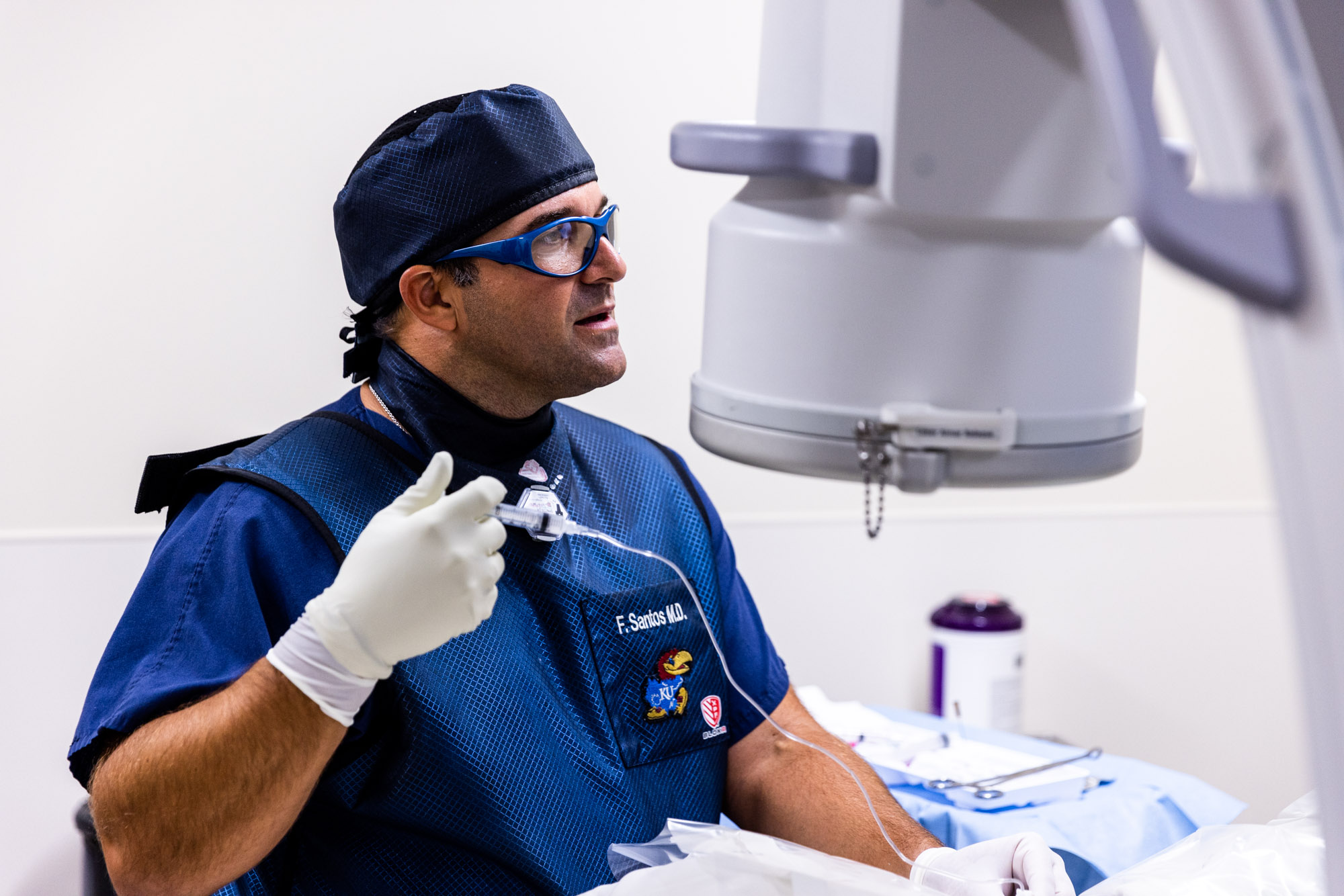
- Using targeted procedures when appropriate (such as image guided injections)
- Coordinating rehabilitation so progress continues beyond the clinic
PM&R is often the bridge between diagnosis and recovery, especially when pain or injury is interfering with movement, work, or quality of life.
Watch Interventional Physiatrist Dr. Fotopolous explain his specialty in this video!
What Does a PM&R Physician Treat?
PM&R can help with a wide range of orthopedic and musculoskeletal conditions. Physiatrists commonly treat pain and mobility concerns involving the neck, back, shoulders, hips, knees, and nerves, especially when symptoms have not improved with basic conservative care.
Common reasons patients seek PM&R care include:
- Neck or back pain, including sciatica
- Sports injuries that aren’t healing as expected
- Nerve irritation or suspected nerve compression
- Pain that limits walking, working, sleeping, or daily activities
- Ongoing symptoms after surgery that require continued rehab support
PM&R vs. Other Orthopedic Care: What’s the Difference?
A simple way to think about it:
- Orthopedic surgery focuses on correcting structural problems when surgery is needed.
- PM&R focuses on improving function and reducing pain through nonsurgical strategies, targeted procedures, and coordinated rehabilitation.
Many patients benefit from both approaches at different stages of care. If you’re trying to avoid surgery, or determine whether surgery is necessary, PM&R is often a valuable place to start.
What Happens at a PM&R Appointment?
Every visit is individualized, but most PM&R evaluations include:
- A detailed conversation about your symptoms, history, and goals
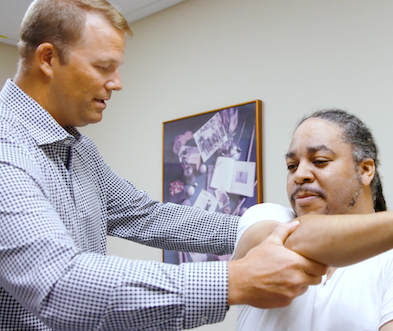
- Functional and movement testing (how you walk, bend, lift, reach, or grip)
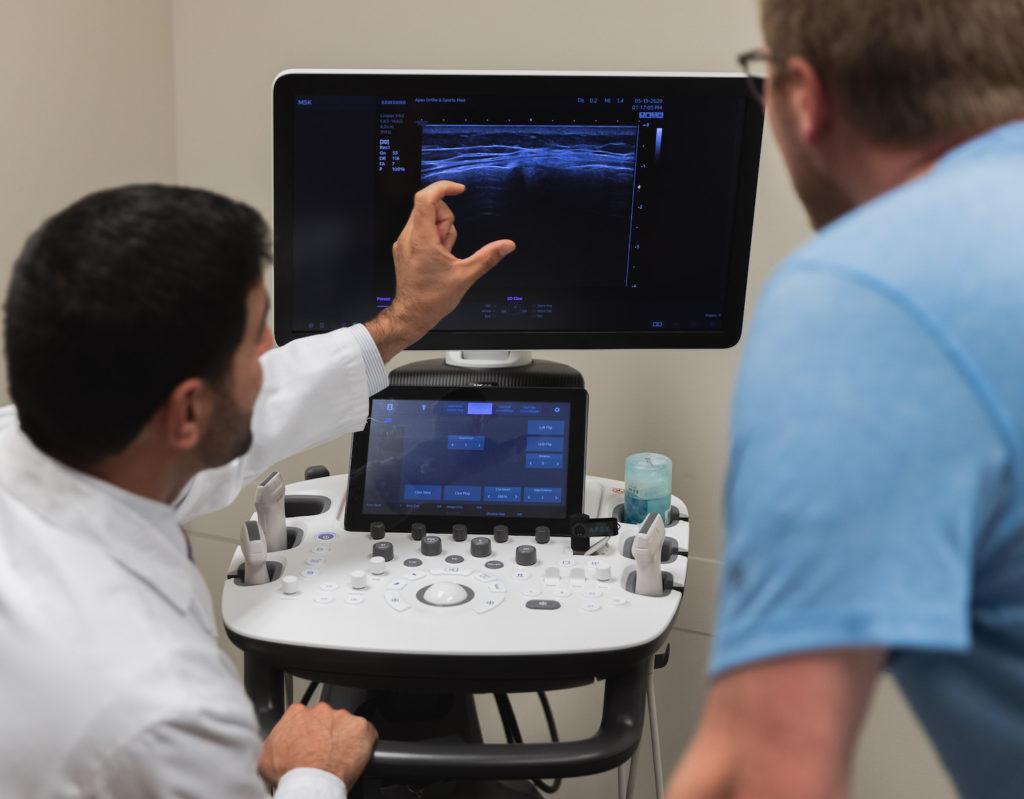
- Review of imaging such as X-rays or MRI, when relevant
- A plan that may include rehab therapy, medications, lifestyle/ergonomic adjustments, or procedures
Depending on your needs, PM&R care may include medications, activity modifications, rehabilitation therapy, or targeted procedures such as image-guided injections, nerve blocks, radiofrequency ablation, or other nonsurgical interventions.
Where Do Physical Therapy and Occupational Therapy Fit In?

One of the strengths of PM&R is how closely it connects medical care with real-world function.
Physical therapy and occupational therapy play an important role in injury recovery, nonsurgical treatment, and postoperative care.
Physical Therapy: Improving Movement and Strength
Physical therapy focuses on restoring mobility, improving balance and coordination, rebuilding strength, and helping patients return to activity safely and confidently.
Occupational Therapy: Supporting Daily Function
Occupational therapy helps patients perform meaningful daily activities by improving upper extremity function, fine motor skills, and strategies to reduce pain at home or work.
When PM&R is paired with physical therapy and occupational therapy, the goal goes beyond pain relief—it’s about better movement, better independence, and better outcomes.
Learn more about coordinated rehabilitation through KCOI Physical & Occupational Therapy.
Which KCOA Providers Practice PM&R Related Care?
PM&R and interventional care is provided by experienced physicians, including:
These providers work closely with rehabilitation teams to ensure care plans support long-term function and recovery. For our entire provider list, see here.
When Should You Consider Seeing a PM&R Physician?
You may want to consider a PM&R evaluation if:
- Pain is limiting your daily life and you want nonsurgical options
- Symptoms haven’t improved with rest or basic care
- You’re experiencing radiating pain, numbness, or weakness
- You want a clear plan that connects diagnosis with rehabilitation
- You’re recovering after surgery and want a stronger return to function strategy
Addressing movement issues early can help prevent compensation patterns—such as limping or overusing another joint—that may lead to new pain over time.
FAQs: PM&R, Physical Therapy, and Occupational Therapy
Is PM&R the same as physical therapy?
No. PM&R is a physician specialty that diagnoses and manages medical causes of pain and functional problems and often coordinates care that includes physical therapy.
Do I need occupational therapy or physical therapy?
That depends on your goals and the area of the body involved. Many care plans include both occupational therapy and physical therapy to support full body recovery and daily independence.
Will I need injections or procedures?
Not always. Procedures are considered only when they align with your diagnosis and treatment goals.
Next Steps
Whether you’re dealing with persistent pain, recovering from injury, or looking to avoid surgery, PM&R can help guide the next phase of care.
Through KCOA, patients are connected with the right specialists and rehabilitation resources to support meaningful, lasting improvement. If you’re ready to take the next step, reach out to start the conversation.