Why Proactive Orthopedic Care Matters
Most people don’t think about seeing an orthopedic specialist until after they’ve already been sidelined by a sprain, strain, or overuse injury. By then, the conversation has shifted from prevention to recovery. If you are looking for an orthopedic specialist in Kansas City, we can help. At Kansas City Orthopedic Alliance (KCOA), we believe the most effective orthopedic care doesn’t start in the exam room after an injury; it starts long before, with proactive orthopedic care that keeps patients moving, active, and pain-free.
Proactive orthopedic care isn’t just for elite athletes. Weekend warriors, active parents, office workers who sit most of the day, and older adults who want to stay independent all benefit from the same principle: identifying risk factors early and addressing them before they become a diagnosis. That’s the philosophy behind everything our team of orthopedic specialists does, from patient education to clinical evaluation.
Common Orthopedic Injuries and How They Start
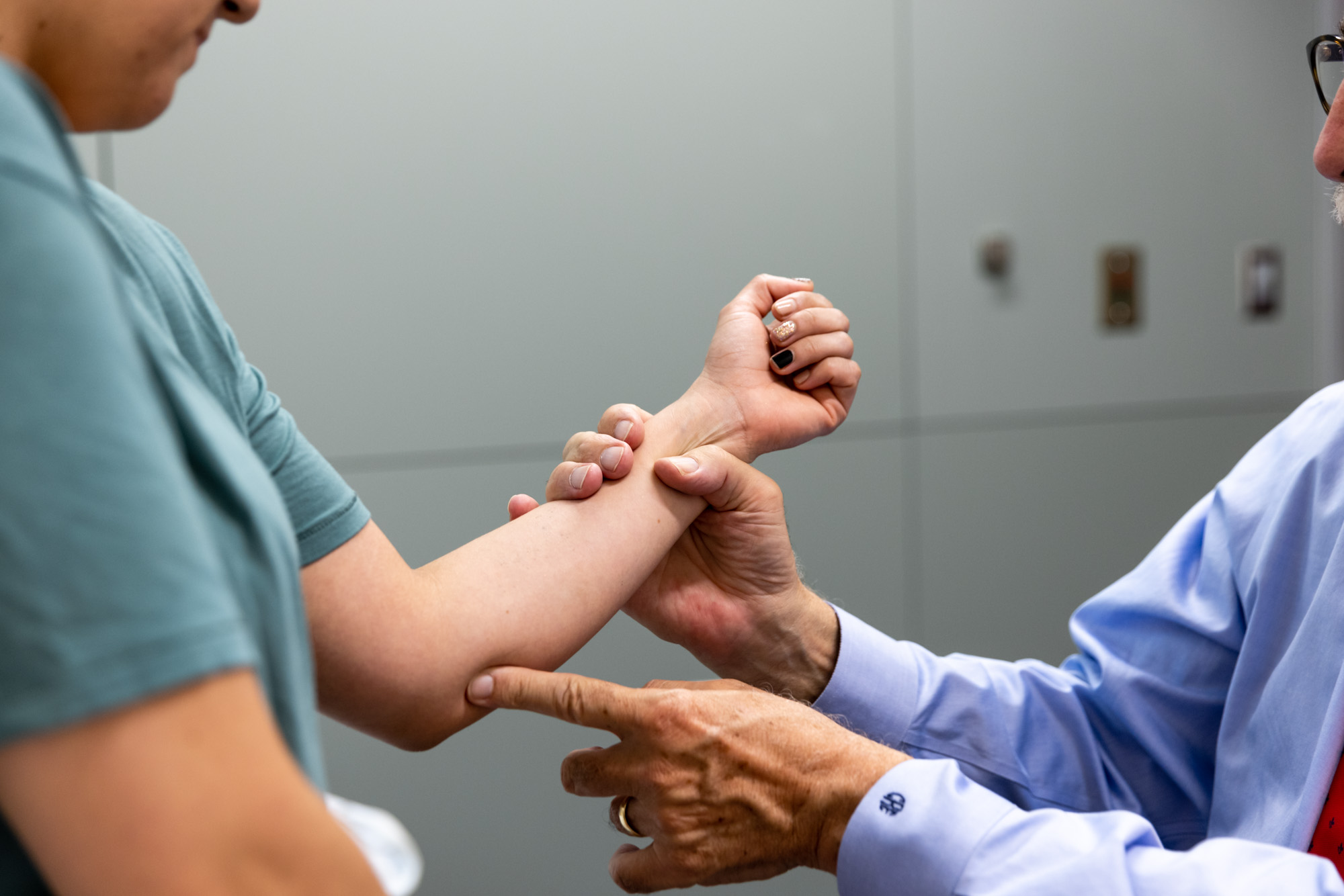
Understanding how injuries actually develop is central to proactive orthopedic care. Many injuries our physicians treat develop over time. They were the result of small warning signs that went unaddressed: a knee that felt slightly unstable during a run, a shoulder that ached after every workout, or tight hips that quietly shifted the mechanics of every step. Left unchecked, these minor issues compound over time and eventually lead to the acute injuries that bring patients in for evaluation.
Some of the most common orthopedic injuries linked to preventable risk factors include ACL and meniscus tears, rotator cuff strains, tennis and golfer’s elbow, stress fractures, and lower back strain from poor lifting mechanics. In nearly every case, our orthopedic specialists can point to modifiable factors, muscle imbalances, limited flexibility, poor movement patterns, or simply doing too much too soon, that contributed to the injury.
When to See an Orthopedic Specialist
A common misconception is that orthopedic specialists only come into the picture once surgery or serious treatment is on the table. Early evaluation is one of the most valuable tools in proactive orthopedic care.
If a screening or physical therapy visit reveals a deeper orthopedic concern, our physicians provide expert, non-urgent evaluation and treatment. Because our KCOA physicians work in close partnership with our rehabilitation and physical therapy resources, patients don’t have to navigate a confusing referral process; moving from a prevention-focused visit to a specialist consultation is a smooth, coordinated experience.
What Proactive Orthopedic Care Looks Like
Proactive orthopedic care at KCOA is built around early identification and individualized treatment planning:
Evaluation
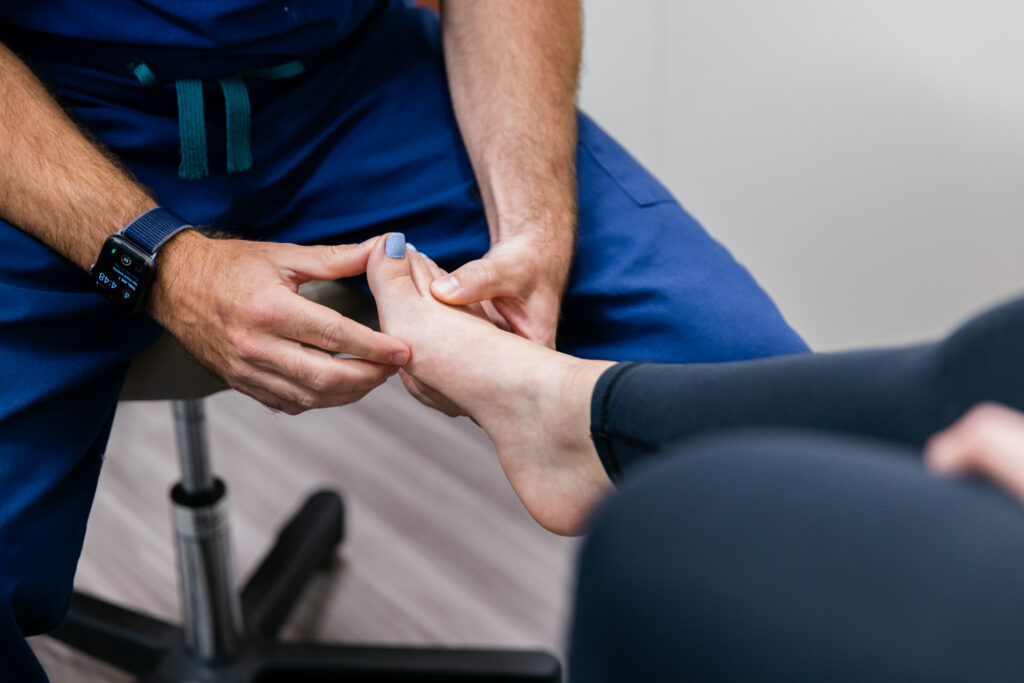
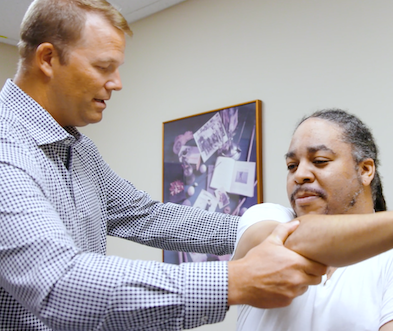
Our physicians assess joint health, movement mechanics, and injury history to catch red flags before they become bigger problems.
Education
We talk openly with patients about the modifiable factors behind most orthopedic injuries: training load, recovery habits, and mechanics, so they understand not just what’s wrong, but why it happened.
Coordinated treatment
When a concern requires more than a home exercise routine, our physicians and physical therapy partners build a plan together, ensuring continuity of care from evaluation through recovery.
Even the best proactive orthopedic care can’t eliminate risk entirely. Accidents happen, and some conditions develop regardless of how careful a patient has been. That’s why having an orthopedic specialist Kansas City residents trust, someone who already understands their history and mechanics, matters so much when an injury does occur.
Practical Tips for Reducing Orthopedic Risk
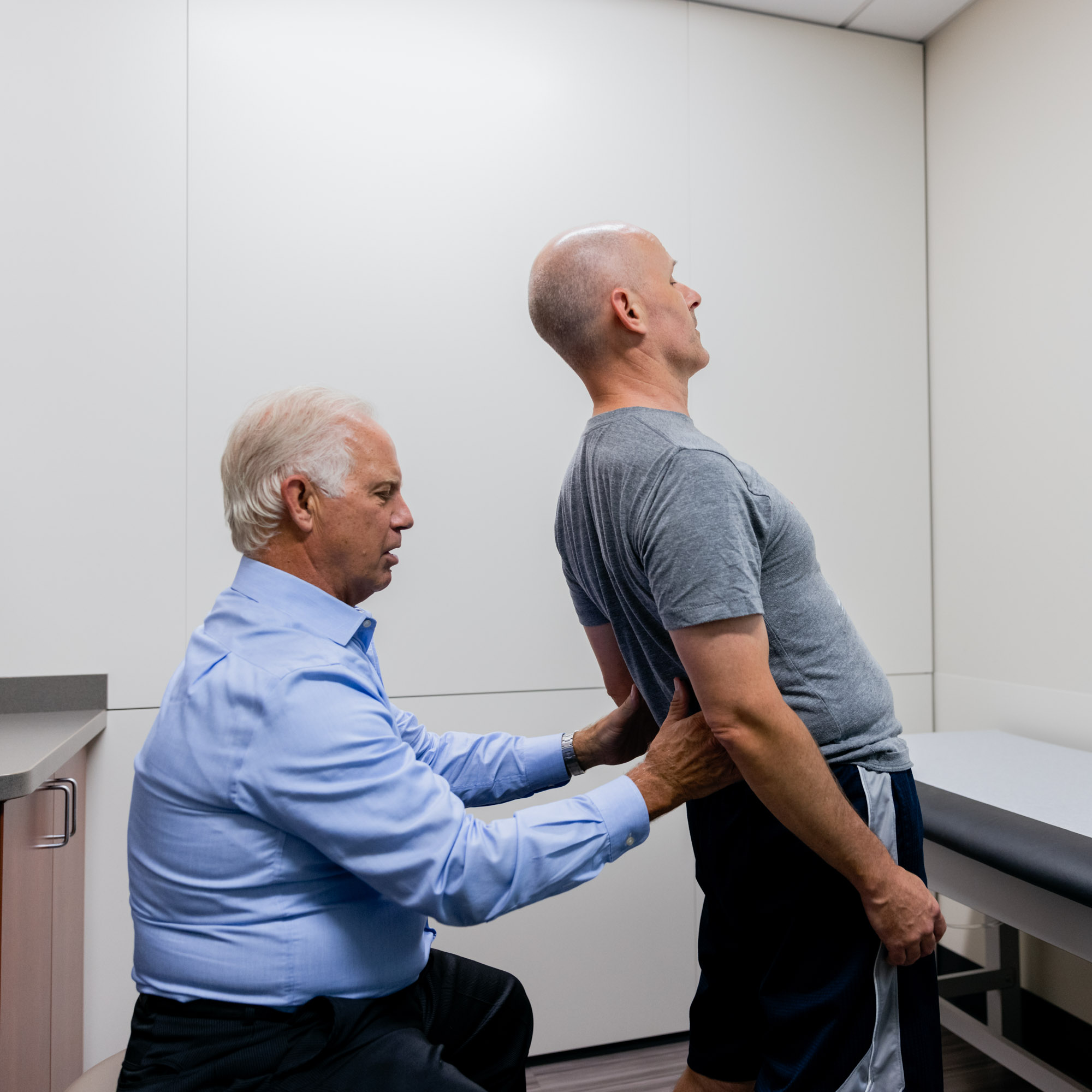
While a personalized evaluation offers the most complete picture, there are steps anyone can take today to support proactive orthopedic care.
- Warm up dynamically before activity, rather than relying on static stretching alone.
- Increase training intensity and duration gradually, following the general rule of no more than a 10% increase per week.
- Strengthen the muscles that stabilize your joints, particularly the hips, core, and shoulders.
- Prioritize recovery, including sleep and rest days, as part of your routine.
- Pay attention to pain that lingers beyond 48 hours; it’s often worth having evaluated rather than pushed through.
Frequently Asked Questions
What is proactive orthopedic care?
Proactive orthopedic care refers to early evaluation and treatment strategies used to identify and address risk factors before an injury becomes serious, rather than only treating injuries after they occur.
When should I see an orthopedic specialist?
If you have a history of recurring pain, joint instability, or an injury that hasn’t improved with conservative measures, an evaluation can help determine the right path forward.
Schedule Your Evaluation Today
Proactive orthopedic care is one of the most valuable investments you can make in your long-term mobility and quality of life. Learning how to find the right orthopedic specialist in Kansas City is the first step. Whether you’re managing a nagging injury or simply want an expert opinion before it becomes a bigger problem, KCOA is here to help. Request an appointment today.